
Managing a major build requires a precise balance among schedule, budget, safety, and trade coordination. When a project slips behind schedule, there can be cascading financial penalties ranging from liquidated damages to extended equipment rentals and lost operational revenue. Preventing these delays requires proactive planning, rigorous vendor vetting, site-level logistics management, and early preparation long before breaking ground. When project leadership fails to anticipate structural bottlenecks or trade conflicts, even a minor hiccup during early site prep can reverberate through the entire critical path, pushing turnover dates back by weeks or even months.
A resilient project management structure relies on setting clear performance benchmarks and maintaining transparent communication across every tier of sub-contractors and site personnel. When trade leads understand how their specific milestones directly impact subsequent phases, accountability increases and costly downtime drops significantly. Integrating real-time digital tracking systems alongside daily stand-up meetings allows site managers to catch scheduling variances early, enabling prompt course corrections before small delays compound into major structural budget overruns.
Furthermore, managing risk effectively means planning for non-operational variables, including unpredictable weather patterns, supply chain shifts, and sudden local material shortages. Establishing strong relationships with trusted local vendors and securing secondary supply channels ensures that critical materials arrive exactly when required, preventing specialized labor crews from standing idle on expensive billable hours. Proper material staging, organized laydown yards, and streamlined logistics planning ensure that workers spend their time building rather than hunting down equipment or maneuvering around cluttered work zones.
Ultimately, protecting project margins requires treating efficiency not as a reactive fix, but as a deliberate discipline integrated into every phase of construction. By pairing comprehensive pre-construction assessments with rigorous site oversight and adaptive supply chain logistics, project leads can safeguard both their financial bottom line and their professional reputation. Maintaining this high standard of operational discipline keeps complex builds moving forward smoothly, ensuring high-quality completion on time and within budget.
Laying the Strategic Blueprint Before Groundbreaking
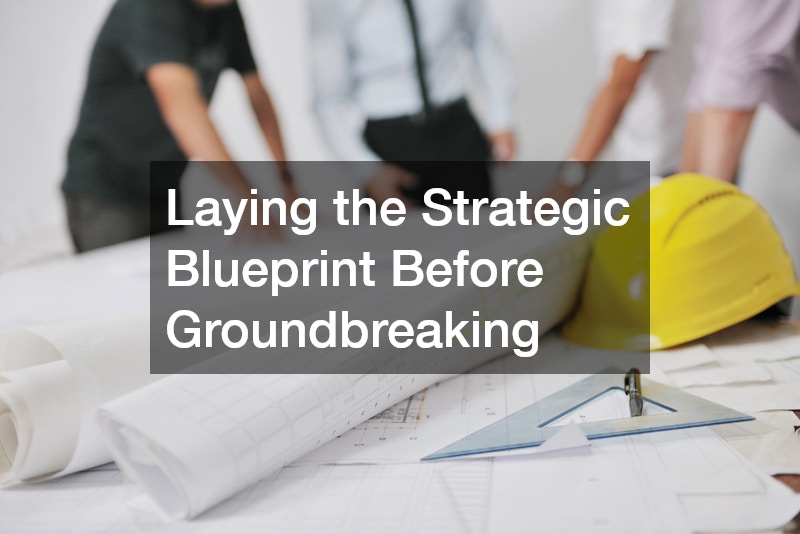
The blueprint for avoiding delays begins months before heavy machinery ever arrives on-site. Poor initial site assessment, inadequate design validation, and rushed environmental reviews are among the primary culprits for mid-project halts. Project managers must ensure that structural design, soil stability, utilities, and municipal requirements align from day one to avoid costly redesigns when construction is already underway. When pre-construction planning is treated as a mere formality rather than a critical operational framework, every subsequent phase of development becomes vulnerable to cascading schedules and budget overruns.
Securing precise site evaluations requires working with local engineering companies during the initial feasibility phase. Local engineers bring regional expertise regarding soil compositions, seasonal water tables, local zoning codes, environmental regulations, and municipal drainage requirements. Their insight prevents unexpected foundation shifts, unexpected underground utility conflicts, or mid-build structural redesigns that can grind progress to a standstill. Furthermore, these regional specialists often maintain established relationships with local permitting offices, which can significantly streamline the approval pipeline and eliminate bureaucratic bottlenecks before ground is broken.
Simultaneously, thorough site inspections must account for hidden environmental and biological threats. Subsurface structural vulnerabilities, unmapped decay, or undetected pest activity can lead to mandatory stop-work orders during initial foundation and sub-grade work. Scheduling preventative termite control treatments prior to laying concrete slabs or erecting wood structures protects the integrity of materials, prevents structural compromise over time, and avoids regulatory or inspection holds later in the timeline. Proactive pest mitigation and environmental remediation eliminate the risk of discovering costly infestations after expensive structural elements are already in place.
Planning the overall site structure also requires clear responsibility assignments across all participating entities. Bringing a top-tier general construction company aboard early in the design-assist stage helps align architect visions with actual labor availability, realistic lead times for materials, and practical field conditions. Early involvement of the general contractor bridges the gap between theoretical blueprints and daily site operations, transforming ambitious architectural concepts into constructible, cost-effective reality. Establishing transparent communication protocols among sub-contractors, supply vendors, and project leads guarantees that potential friction points are identified and resolved before they disrupt the master schedule.
Establishing Site Welfare to Maximize Crew Efficiency
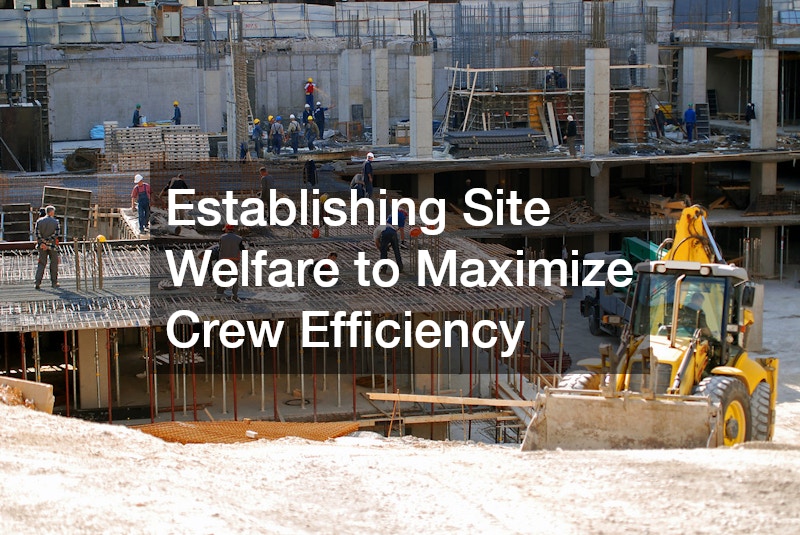
A frequently overlooked source of lost labor hours is inefficient site logistics and poor worker amenities. When tradespeople have to walk excessive distances or leave the project perimeter entirely to find basic sanitary facilities, productivity drops rapidly across every trade on-site. On large acreage or multi-story builds, these small delays multiply across hundreds of workers, costing hours of production every day. When a worker spends twenty minutes walking across a sprawling job site just to access basic facilities, those lost minutes compound across dozens of trades, resulting in dozens of wasted operational hours every single week.
For large commercial or residential developments, establishing adequate site sanitation early sets the operational tone for the entire project lifecycle. Installing high-volume local portable toilet rental units at strategic access points around the site minimizes unnecessary foot traffic and downtime for general trades, keeping crews focused on meeting their daily production quotas without disruption. Proactively mapping out the placement of these units during the initial mobilization phase prevents bottlenecking near high-traffic staging areas. Furthermore, establishing a strict, recurring maintenance and servicing schedule ensures these facilities remain fully operational and hygienic, boosting site morale and preventing health-related work stoppages.
Executive staff, municipal inspectors, architects, and engineering consultants also require adequate site facilities to conduct prolonged inspections without leaving the footprint. Outfitting administrative zones with clean bathroom trailer rentals ensures that critical compliance walk-throughs, safety audits, and design reviews can happen comfortably on-site. Keeping decision-makers present speeds up immediate sign-offs on change orders and official inspection reports, keeping the overall master timeline intact. Providing these elevated amenities near field offices creates a professional environment that encourages key stakeholders to remain on-site longer, fostering real-time problem-solving when unexpected structural or design challenges arise. Ultimately, integrating complete sanitation logistics into the core master schedule protects project momentum, respects worker welfare, and keeps labor expenditures tightly controlled.
Managing Advanced Supply Chains and Lead Times
In the modern building environment, procurement breakdowns represent one of the single largest threats to project schedules. Long-lead items such as custom structural steel, specialized glass, mechanical units, and finished timber can derail a project if ordered even a week too late. A comprehensive delay-prevention plan must treat supply chain management as an active, daily discipline rather than an administrative formality.
Establishing direct communication channels with suppliers and manufacturers early in the pre-construction phase allows project managers to track raw material availability, fabrication schedules, and freight transit times. Identifying backup suppliers for critical structural materials protects the job site from localized factory shut-downs or transit bottlenecks. Staging materials in climate-controlled off-site warehouses until the exact moment they are needed on-site also prevents site congestion and reduces the risk of weather-related material degradation.
Detailed procurement schedules must be tied directly to the critical path master schedule. When material deliveries are scheduled down to specific arrival time windows, job sites avoid the chaos of uncoordinated freight trucks blocking access gates. Receiving teams can inspect shipments immediately upon arrival, documenting any damaged or missing goods right away so replacement orders can be filed without halting entire trade phases.
Coordinating Heavy Equipment and Operator Safety
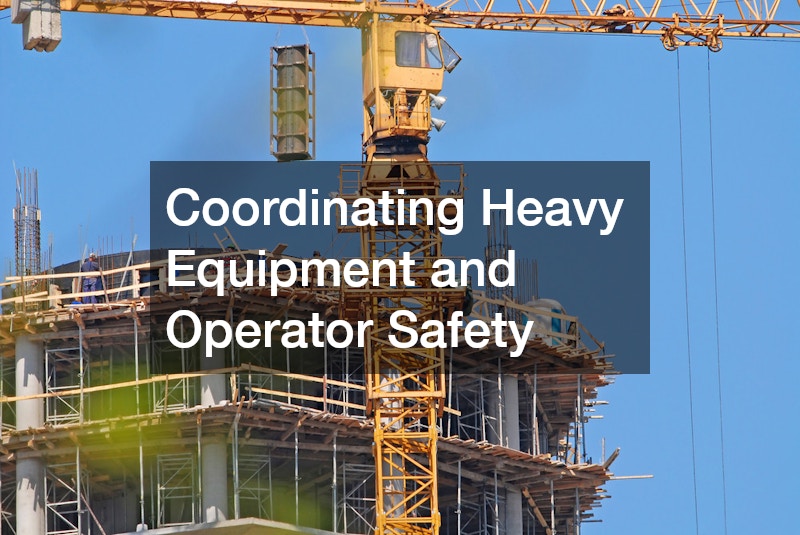
Once active construction begins, the movement of bulk materials becomes the primary driver of the daily schedule. Mismanaging heavy machinery leads to severe bottlenecks where skilled trades stand idle waiting for raw materials to reach their designated work zones. Coordinating heavy equipment movements requires exact choreography between delivery schedules, site access points, and crane availability. When delivery trucks stack up at entrance gates without dedicated offloading paths, the resulting congestion halts on-site traffic, delays material staging, and wastes valuable labor hours across every active zone.
Heavy structural lifts require precise scheduling, structural ground load assessments, and certified machinery. Contracting with dependable crane companies ensures that critical lifting assets arrive exactly when structural steel, prefabricated panels, or heavy roof-mounted mechanical utilities are ready for placement. Idle cranes charge steep hourly rates while blocking access lanes, while late cranes hold up entire crews, making vendor reliability paramount to maintaining momentum. Conducting pre-lift planning meetings and thorough ground pressure evaluations prevents costly rigging delays and ensures the underlying soil can safely support mobile crane outriggers during high-capacity hoists.
Moving materials around the active staging area requires equal discipline and strict safety compliance. Requiring all equipment operators to complete a certified forklift training service drastically reduces job site accidents, material damage, and equipment downtime. Well-trained operators move pallets of brick, timber, and roofing efficiently while maintaining site safety standards that protect the project from government regulatory shutdowns or costly liability claims. Certified drivers understand load capacities, center-of-gravity dynamics, and safe travel speeds over rough terrain, ensuring delicate framing or finish materials are delivered intact without endangering surrounding personnel.
Ultimately, master logistics coordination transforms chaotic job sites into streamlined, high-throughput assembly environments. By establishing dedicated haul routes, enforcing clear staging protocols, and pairing skilled equipment operators with vetted machinery suppliers, project leads eliminate unnecessary material handling steps. This disciplined approach minimizes site-wide downtime, preserves raw material integrity, and keeps the overall master construction timeline progressing safely, predictably, and on budget.
Managing Specialized Structural Trades Simultaneously

Maintaining momentum during the main build requires managing parallel workflows rather than sequential ones wherever possible. Coordinating specialized trades so they work safely alongside main structural crews shortens the overall project schedule without compromising safety or construction quality.
For builds that incorporate specialized structural styles or heavy mass timber framing, such as a timber frame design, pre-fabrication and precise delivery scheduling are essential. Timber components must arrive pre-cut, pre-drilled, and properly treated so framing teams can erect and enclose the structure before adverse weather conditions disrupt interior trades like electrical, plumbing, and HVAC rough-ins.
Perimeter security and property boundary work should run simultaneously with core building activities rather than waiting for project closeout. Contracting a farm fencing service early in the site setup phase secures the project boundaries, protects stored equipment from theft or vandalism, and establishes clear containment zones for surrounding livestock or agricultural boundaries on rural builds. Securing the perimeter prevents inventory loss, eliminates site trespassing liabilities, and keeps unauthorized personnel off active work tracks.
Proactive Risk Management and Site Communication
Even the best-planned projects encounter unexpected challenges, from sudden weather events to unrecorded sub-surface conditions. The key to preventing minor issues from escalating into major delays lies in proactive risk management and transparent daily communication among all project stakeholders.
Implementing daily micro-meetings with trade foremen ensures that potential conflicts are identified and resolved before work stops. These brief check-ins allow team leaders to adjust resource allocation, adjust material drop zones, and clear minor access issues before they impact the critical path.
Utilizing modern cloud-based construction management software allows field managers to update floor plans, upload inspection photos, and issue field directives in real time. When architects, engineers, and owners can review field conditions instantly on mobile devices, approval processes for unexpected field modifications drop from days to minutes. This continuous flow of information eliminates the administrative lag that frequently stalls construction projects.
Contingency budgeting for both schedule and finances acts as an essential buffer against real-world uncertainties. Allocating flexible time buffers between critical milestones prevents a single weather delay or short shipping delay from creating a domino effect across subsequent construction phases.
Seamless Handover and Occupancy Logistics
The final 10 percent of a project often creates the longest delays if closeout logistics are handled as an afterthought. Punch lists, final building inspections, commissioned systems testing, and owner move-in procedures require structured management to avoid holding up final occupancy permits and project sign-offs.
As final finishes are completed, coordination shifts from heavy industrial trades to commercial logistics and tenant fit-outs. Engaging professional moving companies well in advance ensures that tenant furnishings, specialized operational equipment, and administrative supplies arrive in synchronized waves immediately after final building inspections clear. Controlled move-in sequences prevent damage to newly completed walls and finishes, ensuring the project transitions smoothly from an active site to a fully operational facility without last-minute schedule slips.
Comprehensive training for building facilities personnel must also take place prior to turnover. Ensuring that facility managers understand how to operate complex commercial systems, building management software, and security protocols prevents operational disruption post-occupancy.
By establishing strict pre-planning protocols, optimizing site logistics, ensuring machinery safety, maintaining real-time communication, managing trade parallel workflows, and coordinating specialized trades, project leaders can safeguard their timelines and deliver complex builds on time and within budget.