
Becoming a leader in any competitive industry requires more than skill and determination; it demands vision, adaptability, and a strong work ethic. Industries like construction, manufacturing, automotive repair, and workforce solutions all present unique challenges, but those who rise to the top are the ones who combine expertise with innovation. Aspiring leaders must understand their market, anticipate trends, and continuously refine their abilities to stay ahead. Success is not merely about completing tasks—it involves building trust, fostering teams, and creating a reputation for excellence. In these sectors, a leader’s influence extends beyond their immediate work, shaping company culture, client relationships, and long-term growth. This guide explores ten competitive industries and the traits necessary to become a standout leader in each.
Master Countertop Skills
Success in a countertop business requires both technical skill and creative vision. Crafting countertops demands precision, attention to detail, and familiarity with a range of materials including granite, quartz, and marble. Leaders in this field must combine artistry with practical knowledge to meet client expectations and maintain profitability. Beyond installation, effective business owners understand workflow management, customer service, and inventory control. Developing a reputation for reliability and quality can distinguish a business in a crowded market.
Technical mastery in countertop fabrication and installation is only part of the equation. Industry leaders need to understand design trends, material sourcing, and cost efficiency. Communicating with clients to capture their vision ensures satisfaction and repeat business. Additionally, knowledge of safety standards, proper tool usage, and finishing techniques guarantees high-quality results. Experienced professionals often mentor their teams, building a skilled workforce capable of delivering consistent excellence.
Long-term leadership in the countertop industry also depends on strategic business management. Successful owners invest in marketing, networking, and relationship-building with suppliers and contractors. Staying ahead of competitors requires tracking emerging technologies such as CNC stone cutting and innovative finishing techniques. Leaders must balance creative design with operational efficiency to achieve growth.
Transform Homes Professionally

The home remodeling industry is dynamic and requires a combination of craftsmanship, design expertise, and project management skills. Leaders in home remodeling understand client needs, manage complex schedules, and coordinate multiple trades to complete projects efficiently. Attention to detail, quality control, and strong communication are crucial for maintaining a strong reputation. Remodeling professionals must navigate challenges such as budget constraints, design changes, and building regulations while keeping projects on track. A successful leader inspires confidence in clients and team members alike, ensuring smooth project execution.
Specialized knowledge is essential for handling the diverse demands of home renovation. Expertise in carpentry, plumbing, electrical work, and interior design allows a remodeling professional to guide projects from concept to completion. Leaders also focus on training and mentoring team members to uphold high standards. Emphasizing safety, proper planning, and problem-solving ensures that projects run efficiently and meet client expectations. Investing in professional development and staying updated on design trends further strengthens a leader’s capability.
Long-term success in remodeling extends beyond individual projects. Industry leaders build strong relationships with suppliers, contractors, and clients to secure repeat business and referrals. They implement systems for estimating, scheduling, and quality assurance that streamline operations. By embracing technology and project management tools, leaders increase efficiency and reduce errors.
Design Commercial Spaces
Commercial landscaping combines creativity, technical knowledge, and project management skills. Leaders in commercial landscapers understand the unique requirements of business clients, balancing aesthetics with functionality and maintenance needs. Whether designing office parks, retail centers, or institutional grounds, leaders ensure that outdoor spaces are visually appealing, sustainable, and aligned with client expectations. Collaboration with contractors, architects, and maintenance teams is critical for delivering cohesive results. Strong organizational skills and a keen eye for detail define top professionals in this field.
Executing large-scale commercial projects requires in-depth knowledge of plants, irrigation systems, hardscaping materials, and environmental regulations. Leaders must assess soil quality, sun exposure, and drainage to create thriving landscapes. Managing timelines, budgets, and subcontractors ensures projects are completed on schedule. Client communication is essential to adapt designs to preferences while maintaining feasibility. Continuous learning about sustainable practices and innovative landscape designs keeps leaders ahead in a competitive market.
Strategic planning and operational efficiency distinguish standout landscaping companies. Implementing project management systems, safety protocols, and maintenance plans ensures long-term client satisfaction. Leaders also focus on marketing, relationship-building, and team development to expand business opportunities. Innovative designs that balance beauty and functionality enhance a company’s reputation.
Power Equipment Expertise

Mastering equipment repair and maintenance is crucial for anyone aspiring to lead in the local generator repair industry. Generators provide essential power in residential, commercial, and industrial settings, and downtime can be costly. Leaders in this field must understand complex mechanical and electrical systems, troubleshoot efficiently, and implement preventive maintenance strategies. Customer trust is built through reliability, technical competence, and timely service. Maintaining high standards ensures repeat business and long-term credibility.
Technical expertise goes beyond repairs. Industry leaders stay updated on new generator models, emerging technologies, and safety protocols. Training team members ensures that all repairs meet quality and regulatory standards. Effective communication with clients helps manage expectations and provide transparent service. Investing in diagnostic tools and parts inventory enhances responsiveness and operational efficiency.
Strategic management is also key to success. Leaders optimize scheduling, manage costs, and foster relationships with suppliers to maintain a competitive edge. Marketing expertise ensures the company is visible to potential clients needing reliable power solutions.
Ensure Plumbing Excellence
Commercial plumbing requires precision, expertise, and excellent problem-solving skills. Leaders in commercial plumber roles oversee complex systems, including water, gas, and drainage infrastructure in office buildings, factories, and other commercial facilities. Success in this industry demands not only technical proficiency but also the ability to manage teams, adhere to codes, and troubleshoot emergencies. Reliable service, attention to detail, and efficiency distinguish top professionals. Strong leadership ensures projects are completed safely and to code.
Technical knowledge includes pipe installation, water treatment, leak detection, and system design. Industry leaders must understand building codes, safety regulations, and maintenance requirements. Coordinating with other contractors and clients ensures seamless project integration. Leaders also train apprentices to maintain quality standards. Proactive problem-solving and preventive maintenance reduce downtime and improve client satisfaction.
Long-term leadership in commercial plumbing combines technical skill with business insight. Effective scheduling, inventory management, and budgeting are essential for profitable operations. Building strong client relationships and reputation ensures repeat business. Leaders who embrace technology, from software for diagnostics to advanced piping solutions, stay ahead of competitors.
Navigate Marine Sales

Leading in a full service outboard dealer business requires both technical knowledge and strong customer relations. Professionals in this industry must understand various marine engines, accessories, and maintenance procedures to provide comprehensive solutions. Leadership also involves training staff, managing inventory, and ensuring customers feel confident in their purchases. Successful leaders balance product expertise with business acumen, creating a loyal customer base while maintaining profitability. Attention to detail, a proactive approach, and a focus on customer satisfaction are essential traits.
Technical proficiency is critical for guiding clients toward the right marine products. Knowledge of engine performance, warranties, and safety regulations helps leaders advise effectively. Coordinating service schedules, installation, and repair operations ensures smooth business functioning. Mentoring sales staff improves team performance and enhances client experiences. Staying informed about industry trends and new marine technologies positions leaders as trusted advisors.
Long-term success in marine sales also depends on strategic planning and relationship-building. Networking with suppliers, engaging in marketing initiatives, and providing after-sale support reinforce trust and reliability. Leaders who implement efficient inventory management and quality control systems minimize errors and maintain smooth operations. Emphasizing customer education and transparent communication ensures repeat business. Combining technical skill, operational management, and leadership fosters a strong, competitive marine business.
Streamline Workforce Solutions
Leadership in peo services involves helping businesses manage HR, payroll, and employee benefits effectively. Professionals must understand compliance, labor laws, and organizational strategies to guide client companies. Leaders also oversee teams, coordinate complex operations, and ensure accurate reporting. Success in this field comes from a combination of technical knowledge, communication skills, and problem-solving abilities. Building strong relationships with clients and employees alike establishes credibility and trust.
Providing tailored HR solutions requires analyzing each client’s unique needs. Leaders assess staffing levels, payroll systems, benefits administration, and risk management practices. They implement processes to improve efficiency and ensure compliance. Training team members and maintaining open communication channels strengthens operational performance. Staying up to date on HR technology and trends keeps services competitive.
Strategic leadership in workforce solutions goes beyond day-to-day operations. Developing scalable solutions, cultivating client loyalty, and exploring market opportunities support long-term growth. Leaders who anticipate challenges, innovate processes, and provide expert guidance become industry authorities. Operational excellence combined with strong client focus ensures the PEO can consistently deliver results and maintain a positive reputation.
Maintain Heavy Machinery
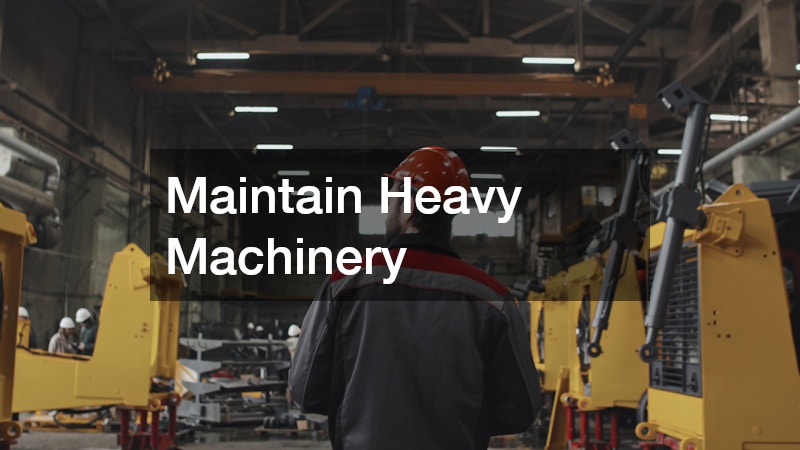
Excelling in heavy equipment repair requires advanced technical skill and leadership in managing maintenance operations. Leaders oversee complex machinery, ensuring it operates safely and efficiently in construction, manufacturing, and industrial environments. Supervising repair teams, managing parts inventory, and adhering to safety standards are crucial responsibilities. Strong leaders instill discipline, technical expertise, and accountability within their teams. Their focus on quality ensures machinery remains reliable and downtime is minimized.
Hands-on knowledge is essential for troubleshooting hydraulic, mechanical, and electrical issues. Leaders develop procedures for preventative maintenance and system inspections. Training staff to handle sophisticated equipment reduces errors and enhances efficiency. Coordinating repair schedules with project timelines ensures operational continuity. Leaders also invest in new diagnostic tools and technologies to improve service accuracy.
Sustainable leadership combines technical mastery with strategic management. Optimizing workflow, tracking performance metrics, and maintaining supplier relationships improve profitability. Leaders who prioritize team development, safety, and client satisfaction establish trust and industry recognition. Forward-thinking problem-solving ensures that heavy equipment remains productive, and companies stay competitive in demanding markets.
Perfect Auto Repairs
In the auto body service industry, leaders must combine mechanical knowledge with exceptional customer service. Professionals oversee collision repairs, paint jobs, and frame straightening, ensuring vehicles are restored to manufacturer standards. Leadership includes training technicians, managing workflow, and maintaining quality control. Strong leaders develop protocols that reduce errors, maintain safety, and enhance client satisfaction. Industry success depends on technical proficiency, operational efficiency, and consistent service excellence.
Technical expertise covers metalwork, paint application, dent removal, and diagnostics. Leaders ensure all procedures comply with industry standards and safety regulations. Coordinating insurance claims and client communication streamlines the repair process. Mentoring staff improves overall workmanship and efficiency. Staying updated on new repair technologies, materials, and techniques strengthens a company’s competitive edge.
Strategic management in auto repairs involves scheduling, inventory control, and workflow optimization. Leaders implement customer-focused policies and quality assurance measures. Developing partnerships with suppliers and insurance companies enhances business operations. Maintaining a positive reputation through consistent results fosters client loyalty and referrals. Leadership in auto body service blends technical skill with operational oversight and team development.
Lead Precision Manufacturing
Success in a cnc machining service relies on precision, technical knowledge, and leadership. CNC leaders supervise complex manufacturing processes, ensuring components meet strict tolerances and quality standards. Leadership involves training staff, managing production schedules, and maintaining equipment. Consistent communication and problem-solving skills are vital for smooth operations. A commitment to accuracy, efficiency, and innovation sets leaders apart in a competitive manufacturing environment.
Technical expertise includes programming CNC machines, interpreting blueprints, and selecting appropriate materials. Leaders ensure all processes meet client specifications and industry standards. Managing workflow, reducing errors, and optimizing efficiency are central responsibilities. Mentoring machinists improves skill levels and overall output quality. Staying informed about industry trends and new technologies supports innovation and competitiveness.
Strategic leadership extends to business operations and client relationships. Implementing efficient production systems, maintaining supplier partnerships, and monitoring performance metrics improve profitability. Leaders foster a culture of continuous improvement and team accountability. Exceptional service, combined with operational and technical excellence, positions CNC machining professionals as leaders in precision manufacturing.
Achieving leadership in competitive industries requires a combination of technical skill, strategic thinking, and the ability to inspire and guide teams. Whether in countertop fabrication, home remodeling, commercial landscaping, generator repair, or plumbing, a leader must balance hands-on expertise with operational oversight. Industries such as marine sales, workforce solutions, heavy equipment repair, auto body service, and CNC machining further emphasize the importance of innovation, quality, and client focus. Leaders are not only skilled practitioners—they are mentors, planners, and visionaries who create systems that foster excellence.