
In the digital age, many wonder whether brick and mortar businesses remain relevant. This article explores the various advantages and considerations of operating a traditional physical business. As technology evolves, these businesses adapt, integrating modern tools without losing their core value.
1. What Role Does Angel Investment Play in Brick and Mortar Businesses?

Angel investment can provide critical funding for brick and mortar enterprises, allowing them to thrive in competitive markets. These investors often contribute not just capital, but also valuable business acumen and strategy insights. By partnering with angel investors, traditional businesses gain both the financial backing and expertise needed to expand and innovate.
Such investments pave the way for the integration of advanced IT services, which are vital for enhancing business operations. Whether it’s improving inventory systems or enhancing customer engagement through technology, the support from investors can be transformative. In turn, this creates a more robust and appealing business model that attracts customers both in-store and online.
Furthermore, relying on angel investment helps brick and mortar businesses diversify their revenue streams. By tapping into modern retail technology and marketing strategies, these enterprises can better compete with their purely digital counterparts. This blend of tradition and innovation is increasingly crucial in an ever-evolving marketplace.
2. How is IT Services Integral to the Success of Physical Stores?
The implementation of IT services in brick and mortar stores is paramount to maintaining efficiency and competitiveness. By utilizing advanced point-of-sale systems and CRM software, businesses can enhance their customer service significantly. This investment in technology ensures seamless transactions and better records management, which ultimately leads to increased customer satisfaction.
In a predominantly digital environment, IT services facilitate a bridge between physical storefronts and online platforms. Businesses are now able to track sales trends, manage supply chains effectively, and communicate updates through digital means. This digital integration allows for improved business expansion possibilities and market reach.
Moreover, IT services support the critical infrastructure required for modern retail operations. From cybersecurity measures to protect customer data to cloud-based solutions for business continuity, these services form the backbone of a successful physical store. As a result, brick and mortar businesses fortified with IT expertise are better prepared to tackle contemporary challenges.
3. Strategies for Business Expansion in Brick and Mortar Operations
Successful business expansion in the realm of brick and mortar requires comprehensive planning and a strategic approach. Identifying market demand is pivotal, allowing businesses to open new locations in areas where customer needs are unmet. This targeted approach minimizes risk and maximizes the potential for success in new ventures.
Another crucial strategy is diversifying product offerings to attract a broader customer base. Innovative marketing campaigns and promotional events also play a vital role in capturing the attention of new audiences. By regularly assessing market trends and consumer preferences, businesses can fine-tune their expansion plans effectively.
Additionally, leveraging partnerships and collaborations with local enterprises can bolster business expansion efforts. These collaborations can enhance brand visibility and create shared value, fostering a stronger community presence. Such a holistic approach ensures that brick and mortar businesses remain competitive and relevant in an evolving marketplace.
4. Importance of an Effective Business Sign for Physical Visibility

An effective business sign is indispensable for ensuring a strong physical presence and attracting foot traffic. As the first point of contact, a well-designed sign communicates a brand’s identity and sets expectations for potential customers. Its design, color scheme, and placement should align with the business’s overall branding strategy to maximize impact.
Beyond aesthetics, a business sign also serves practical functions such as guiding visitors and providing essential information. Visibility is key, and strategically placed signage can distinguish a business from surrounding establishments. By investing in high-quality, durable materials, businesses convey professionalism and credibility.
The choice of sign and building material further influences customer perception. A storefront that balances durability with aesthetic appeal can draw in curious passersby and reinforce brand messaging. Ultimately, an effective business sign is a vital tool in a brick and mortar business’s marketing arsenal, enhancing both visibility and reputation.
5. Choosing the Right Building Material for Durability and Appeal
When establishing a brick and mortar business, selecting the appropriate building material is essential for long-term success. Durability ensures that the structure can withstand daily wear and tear as well as environmental challenges. Additionally, high-quality materials often require less maintenance, resulting in cost savings over time.
The choice of material also influences the business’s overall aesthetic and can complement its brand identity. Whether opting for classic brick, sleek steel, or sustainable options like bamboo, the material should align with the brand’s values and target audience. This alignment aids in creating cohesive visual storytelling from the exterior to the interior.
Furthermore, building materials can impact customer comfort and overall experience. For instance, materials affecting temperature regulation or noise levels inside the store directly influence customer satisfaction. Therefore, thoughtful selection of building materials enhances operational efficiency, aligns with brand values, and improves the customer experience.
6. Why Auto Repair Shops Continue to Thrive as Traditional Enterprises
Auto repair shops have maintained a steady client base, proving their resilience as traditional businesses amidst digital transformation. Their continued success can be attributed to the tangible and specialized nature of auto repair services, which require physical inspection and direct interaction. As automobiles grow more technologically advanced, these shops adapt by integrating new diagnostic tools and software, merging tradition with innovation.
Moreover, the emphasis on customer service and building relationships fosters trust and loyalty, further cementing their community role. Personalized service combined with expert technical knowledge keeps customers returning for routine maintenance and emergencies alike. Whether it’s a routine service or a complex repair, the hands-on expertise provided by auto repair shops is irreplaceable.
In addition, the localized nature of these businesses allows them to serve as vital community staples. By supporting local economies and offering employment opportunities, auto repair shops contribute to the social fabric of neighborhoods. This community-oriented approach, paired with personalized service, ensures their longevity and ongoing relevance.
7. The Appeal and Viability of a Quilting Shop in the Modern Market

Quilting shops hold a unique charm that continues to attract enthusiasts and hobbyists alike, demonstrating their viability in today’s market. They serve as hubs of creativity and community, offering both products and classes that appeal to a wide audience. The tactile nature of quilting can’t be replaced by digital products, thus maintaining its physical storefront appeal.
In addition to selling materials, quilting shops foster a sense of belonging and encourage skill development through workshops and events. These gatherings not only enhance the customer’s experience but also strengthen the local crafting community. Such dynamic interplay between commercial and social offerings sets quilting shops apart from online competitors.
Moreover, quilting shops can reach new demographics by embracing online platforms for marketing and sales, without losing their physical touch. By harmonizing a traditional in-store experience with digital outreach, quilting businesses can thrive in a competitive landscape. This dual strategy reflects their timeless appeal and ability to adapt to changing consumer needs.
8. How Pastry Shops Create Unique Experiences That Online Stores Can’t Offer
Pastry shops remain popular because they create sensory experiences that online stores simply can’t replicate. The inviting aroma of freshly baked goods combined with a warm, welcoming atmosphere draws customers in and encourages loyalty. Physical interaction with products allows for immediate feedback, enhancing the shopping experience.
In a pastry shop, customer service is personal and direct, allowing staff to tailor recommendations based on individual preferences. Sampling new products and interacting with knowledgeable staff provides an enriching experience not found online. The ability to showcase product creativity in a tangible setting further distinguishes these businesses.
Additionally, pastry shops often serve as community focal points, hosting events or providing spaces for casual gathering. Their physical presence and interaction within communities build relationships and boost local engagement. This makes pastry shops not just stores, but integral parts of their neighborhoods, offering far more than just products.
Take, for example, the concept of thematic events that some pastry shops incorporate. These events can include special tastings, baking workshops, or even collaborations with local artists for pop-up exhibitions, thereby expanding the shop’s appeal. Such events transform a simple visit to the pastry shop into a memorable social or educational experience, drawing repeat customers who are hungry for more than just food.
Furthermore, the appeal of pastry shops lies in their ability to offer customized products. From birthday cakes to special dietary creations, the flexibility to cater to personal tastes and occasions helps build customer loyalty. As such, offering options for customization serves as a significant value proposition and competitive advantage compared to generic online options.
9. Understanding the Essentials of Business Insurance for Physical Retail
Business insurance is a fundamental component of protecting a brick and mortar enterprise from unforeseen circumstances. Different policies can cover a range of risks, including property damage, liability issues, and business interruptions. Being adequately insured safeguards a company’s assets and ensures continuity in the face of challenges.
When evaluating insurance options, businesses should consider factors like location, industry risk, and specific operational needs. Comprehensive coverage ensures that disruptions or legal issues do not derail business operations. Moreover, having solid insurance policies in place reassures customers and partners about the business’s stability and professionalism.
Insurance also plays a crucial role in supporting business expansion efforts by providing security in new ventures. As companies grow and evolve, updating or scaling insurance policies can help mitigate the risks associated with new investments. Thus, business insurance is an indispensable aspect of maintaining resilience and confidence in brick and mortar retail.
Expanding further into types of insurance, liability coverage, for instance, is especially crucial for businesses that operate physical stores. It protects against claims of injury or damage that could occur on business premises, fostering a safe environment for both customers and employees. Additionally, considering business interruption insurance is wise, as it provides a financial cushion during unexpected closures caused by natural disasters or other disruptions.
10. How Storefronts Can Serve as a Community Hub and Meeting Place
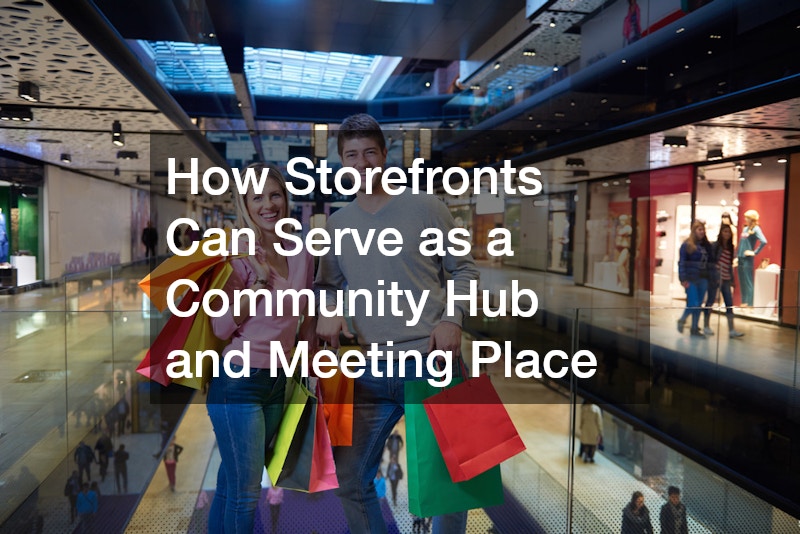
Storefronts transcend their commercial purpose by fostering vital community interactions and relationships. Many brick and mortar businesses host events, sponsor local initiatives, and serve as informal gathering spots. This engagement strengthens community ties and enhances brand reputation among local consumers.
Businesses can leverage their physical presence to support community events, creating shared experiences that resonate with customers. By becoming active parts of the community, storefronts not only drive foot traffic but also build meaningful connections. Local collaborations promote mutual benefit, reinforcing community identity and boosting collective support.
Furthermore, storefronts that act as community centers often enjoy enhanced loyalty and advocacy from their patrons. These businesses become social anchors, offering more than just transactions — they provide a sense of place and belonging. In an increasingly digital world, this human-centric approach elevates brick and mortar businesses as vital social hubs.
Despite the digital revolution, brick and mortar businesses continue to offer irreplaceable value. They adapt to modern challenges by utilizing investments, enhancing customer service, and fostering community connections. This enduring relevance is rooted in their ability to blend traditional elements with modern innovation, affirming their place in the ever-evolving marketplace. As such, they serve as a testament to the continued demand for tangible, personalized shopping experiences that are not easily replicated in an online environment.
Looking ahead, the future of brick and mortar businesses lies in their ability to continuously evolve while preserving the human elements that make them special. Consumers increasingly seek authenticity, and physical stores are uniquely positioned to deliver it through personalized service, curated environments, and real-world experiences. By embracing sustainability practices, such as eco-friendly materials and locally sourced products, these businesses can also align with modern consumer values and build deeper trust.
Another emerging advantage is the integration of experiential retail, where shopping becomes an activity rather than a task. From interactive displays to in-store events, businesses can create memorable moments that strengthen emotional connections with customers. This experiential focus not only drives sales but also encourages word-of-mouth marketing and social media engagement.
Ultimately, brick and mortar businesses succeed because they fulfill a fundamental human desire for connection, interaction, and sensory experience. While e-commerce will continue to grow, it cannot fully replace the tangible and social aspects of in-person shopping. By combining innovation with tradition, physical stores can remain competitive, resilient, and deeply relevant for years to come.